
Teeth Whitening Business, Teeth Whitening Guide Australia, Teeth Whitening Regulations, Teeth Whitening Training
Is Teeth Whitening Legal in Australia?
(Guide for Salons & Mobile Technicians)
One of the first questions people ask before starting a whitening business is simple:
“Is teeth whitening legal in Australia?”
The short answer: yes — but what matters is how you operate, what you claim, and how safely you run your service.
This guide explains the practical reality in plain English.
Why This Question Causes So Much Confusion
Teeth whitening sits between beauty services and dental territory, which makes it feel more complicated than it actually is.
You’ll see conflicting advice online because:
- Some information comes from overseas regulations
- Some comes from dentists protecting their scope
- Some comes from outdated blog posts
- Some confuses medical treatment with cosmetic services
In practice, whitening is widely offered across Australia in salons, clinics, and mobile businesses.
The key isn’t whether it exists — it’s whether your setup is safe, honest, and professionally run.
The Real Rule: Safety, Honesty, and Documentation
Australian consumer law focuses heavily on:
- Client safety
- Truthful advertising
- Clear consent
- Professional hygiene
- Not making misleading medical claims
If your service follows these principles, you’re operating in the same professional framework as thousands of beauty services nationwide.
Cosmetic whitening is treated as a professional beauty service — not a medical treatment — provided you don’t position it as dental diagnosis or medical therapy.
What You SHOULD Do to Operate Professionally
Successful Australian whitening businesses typically:
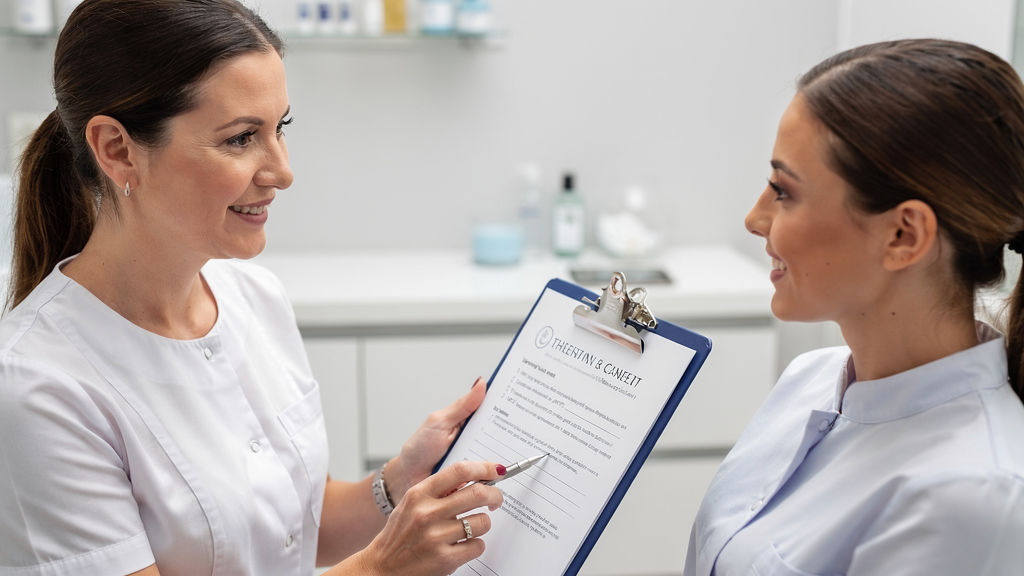
- Use a structured consultation and consent process
- Screen clients for contraindications
- Follow clear hygiene and infection control procedures
- Give realistic expectations (no guaranteed shade promises)
- Provide aftercare guidance
- Maintain documentation of treatments
These steps don’t just protect clients — they also support insurance suitability and build trust.
What You Should NEVER Claim
Where businesses run into trouble is usually marketing — not the treatment itself.
Avoid:
- Guaranteeing results (“10 shades whiter guaranteed”)
- Diagnosing dental conditions
- Presenting whitening as medical treatment
- Making exaggerated or misleading before/after claims
Stick to cosmetic positioning, realistic outcomes, and clear disclaimers.
Do You Need Training?
Training isn’t just about technique — it’s about operating professionally.
A good training pathway teaches:
- Client screening and consent
- Safe procedure steps
- Hygiene protocols
- Aftercare guidance
- Documentation systems
Even experienced beauty therapists benefit from whitening-specific training because it standardises your process and strengthens your professional credibility.
What About Insurance?
Insurance suitability varies between providers, but most require:
- Full disclosure that you offer teeth whitening
- Clear description of your method
- Professional documentation procedures
- Standard hygiene protocols
The most common mistake is assuming a generic beauty policy automatically covers whitening.
Always confirm in writing.
The Bottom Line
Teeth whitening is widely performed across Australia in salons, clinics, and mobile services.
What determines whether your business operates safely and professionally isn’t a single rule — it’s your entire system:
- Safe client process
- Honest marketing
- Professional hygiene
- Clear documentation
- Proper insurance disclosure
Get those right, and you’re operating in line with standard professional cosmetic practice.
Thinking about starting a whitening business?
We can help you choose a professional system, understand best-practice setup, and build a confident starting plan.
